
We build software that handles your paperwork.
Email, scans, portals. Wherever your documents come in, the system we build checks them against your rules and puts the details into the software you already use.

How we built a Copilot agent that closes out installation jobs
It checks the job folder, requests missing details and prepares the handover paperwork inside Microsoft 365.
Copilot · Microsoft 365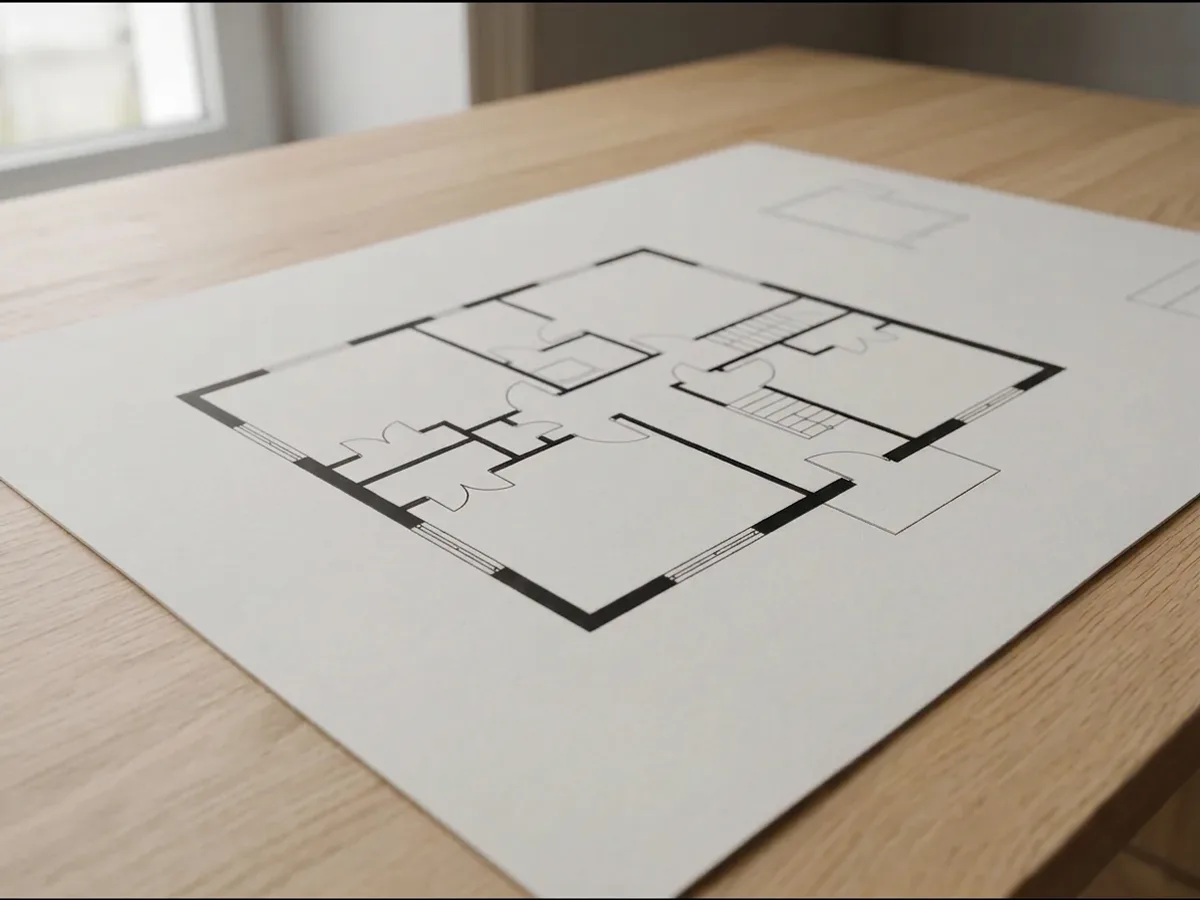
How we used Claude and GPT to measure house plans and check site photos
They even caught a drawing labelled 1:100 that was really drawn at 1:160.
Claude · GPT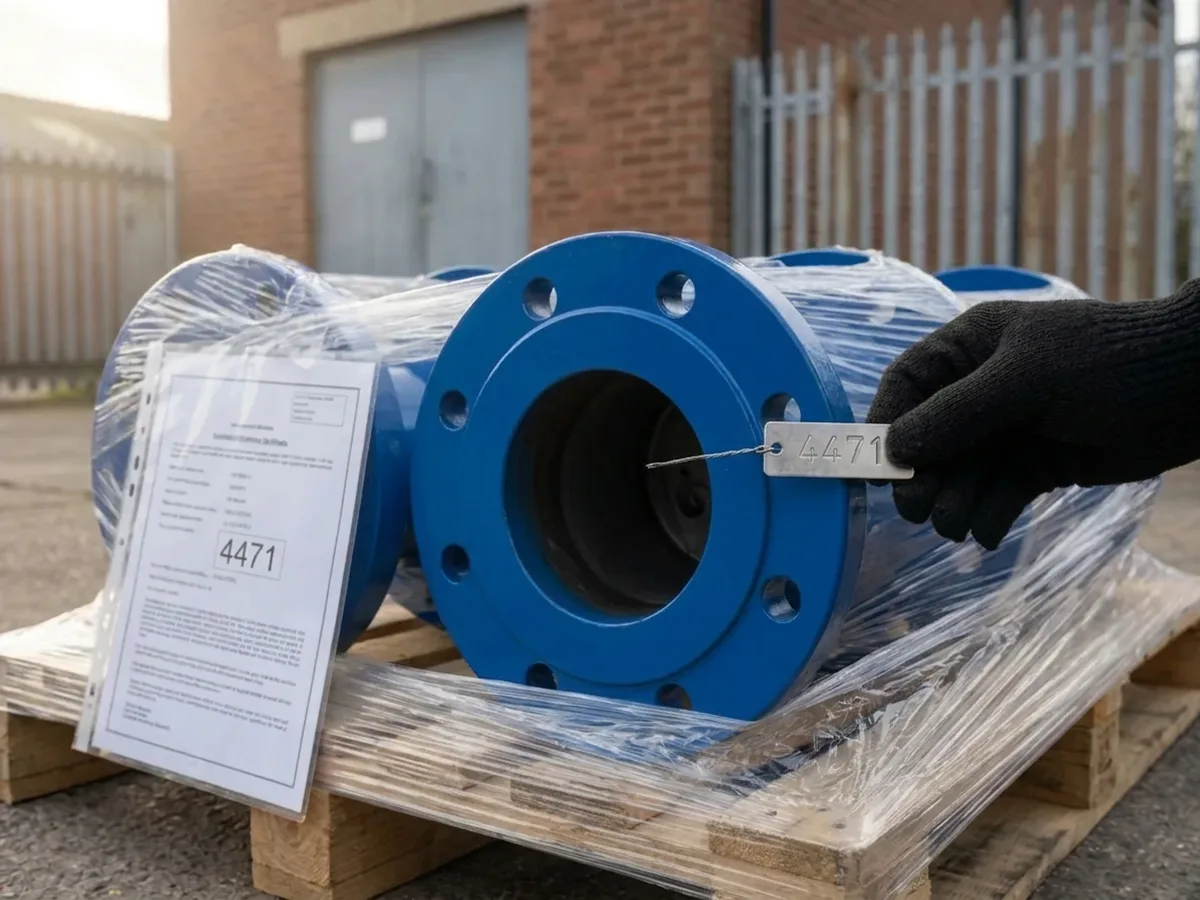
How we built AI that chases suppliers for missing certificates
It matches every order in Excel to the documents it needs, asks suppliers for what’s missing and shows the team what’s still outstanding.
Private AI · Excel · Outlook




- Application No. 7 arrives. Aldcroft Interiors Ltd claims £34,480 for October, across three lines.
- Someone goes looking for the evidence. The inbox, the shared drive, a phone. Then they pick up Revision B, which is out of date.
- Someone measures the drawing. By hand, along every wall, on the old revision. 84 m.
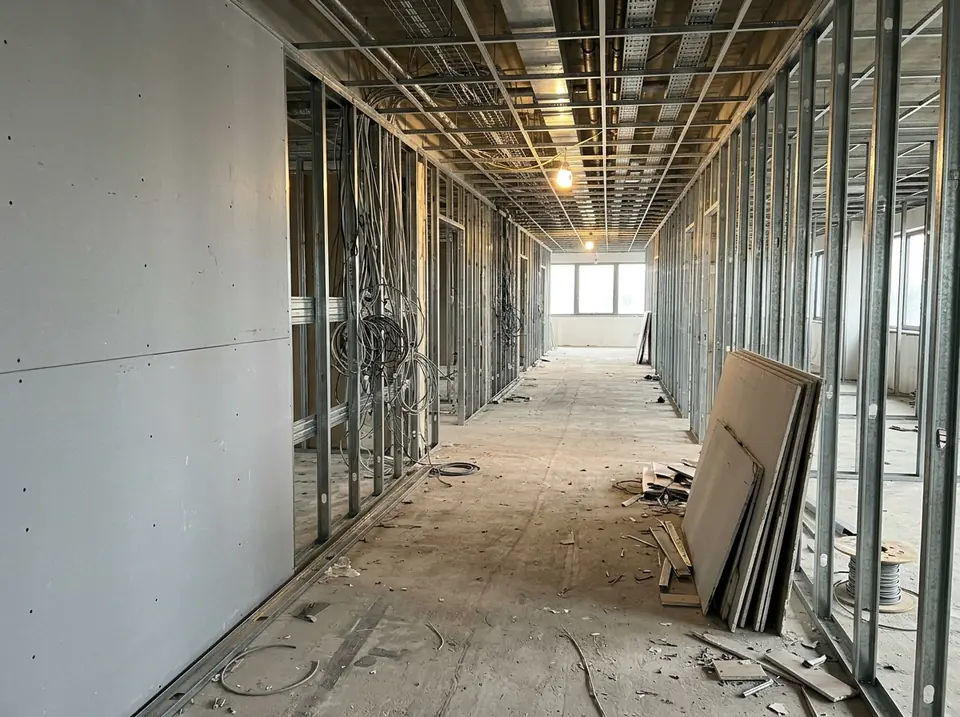
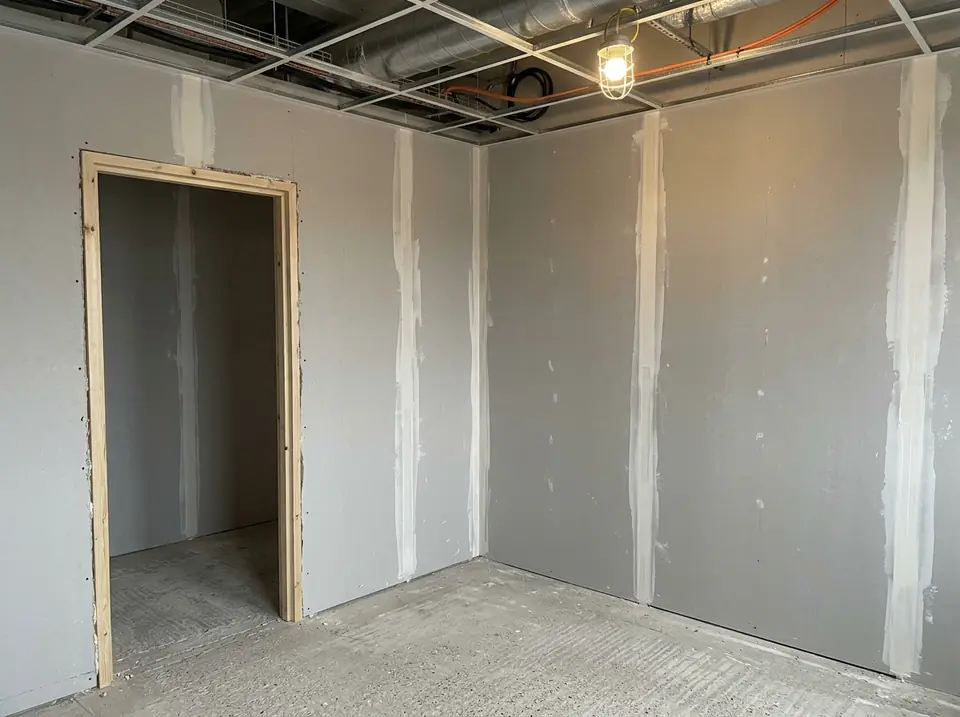
- Someone flicks through the site photos. Hundreds of them. The last one looks finished.
- The same details go into a spreadsheet. Typed from the application, line by line.
- Then they are typed again into your business software. The third time the same numbers have been entered.
- Five documents. About 2.5 hours. £34,480 goes through as claimed. Nobody did anything wrong. There was no time to check more.
- The system we build reads all five at once. On the floor plan it recognises Revision C over Revision B. The label says 1:100, the scale bar says 1:160, and measured from the bar the partition run is 71 m. On the site photos the east wing is still open, about 60% done. In the email, V-12 was approved at £14,200, not £18,400.
- A valuation with its evidence. Claimed £34,480. From the evidence £26,320: partitions £8,520 from the floor plan, first fix £3,600 from the site photos, variation V-12 £14,200 from the client email. £8,160 does not match the evidence. It is sent to your commercial lead with the drawing, photo and email attached. A person decides.
Now multiply it by every document.
Drag to set how many documents your team handles each month.
1,000hours a month
about 6.3 full-time people
2,000 documents a month
Based on about 30 minutes a document and 160 hours a person a month.
The unusual cases need checking too.
Unusual cases can still cause problems, even if they happen only a couple of times a month. Documents can be incomplete, inconsistent or hard to read. We build checks for those cases.
When the system isn’t sure about a piece of data, a person checks it before it moves on.
When multiple documents arrive together, they’re checked against each other first.
When something looks wrong, it goes to the right team with a note on why.
Every decision the system makes, and every change a person makes, is saved in plain language.
Your team sees the document next to the details the system read and can correct mistakes before approving them.
Under 85% sure, a person looks first
The process you run already works. We build around it.
- Your team
- Your rules
- What we build
- Your software
Your team knows how the documents are handled, which details matter and which decisions need their judgement.
We look at your documents and how your team handles them. Then we build a system that sorts the documents, reads and checks the details, and updates your existing software using your rules.
Your team still makes the decisions that need their judgement. The system handles the routine steps and keeps a record of what it does. You own it.
Proof on your own jobs first. Then a system you own.
You see the system work on your own records before you commit to anything, and what we build stays yours.
Step 1
We test the system on records from 10 past jobs.
You see its accuracy and the time it could have saved before you commit.
Step 2
We set it up around your systems and rules.
Live in about 3 to 4 weeks, connected to the software your team already uses.
Step 3
We keep it running every month.
Fixes, rule changes and a short monthly report.
Step 4
You own the system.
It runs in your company’s accounts. You can take over running it or end our support at any time.
Latest from Inference Wire.
The daily briefing we publish on what AI is changing, written for people who do not work in tech. Read it at inferencewire.com.
Perplexity's AI Teammates Turn Recurring Work Into Job BriefsTell us what your team is spending time on.
We’ll discuss what we could build to help.